


LittleVela Learning Guide
Shop by Age
Find a comfortable starting point for your child’s learning journey by browsing the skills, activities, and learning styles that often become more relevant as children grow. Use age as a guide, then choose based on the individual child’s interests, abilities, product details, and supervision needs.
Early learning
Creative discovery
STEM growth
Everyday independence

Age Guide
Choose by stage, interest, and confidence
Children develop at different speeds, so these age bands are intended as helpful browsing starting points rather than fixed developmental rules. Always review the individual product description, included components, and any product-specific age or safety guidance before choosing an activity.
Early Explorers
Look for simple language, counting, sensory play, fine motor activities, matching, stacking, and gentle parent-child interaction.
Ready Learners
Explore phonics, early writing, number confidence, creative kits, simple logic, role play, and introductory science discovery.
Growing Thinkers
Build reading fluency, vocabulary, problem solving, beginner STEM, construction, family games, and routine-building skills.
Curious Builders
Introduce richer experiments, engineering challenges, geography, planning, cooperative games, creative projects, and practical reasoning.
Independent Learners
Support deeper STEM thinking, study habits, goal setting, time and money skills, complex creative work, and self-directed projects.
Confident Explorers
Focus on advanced problem solving, planning, personal organization, creative expression, practical life skills, and interest-led discovery.
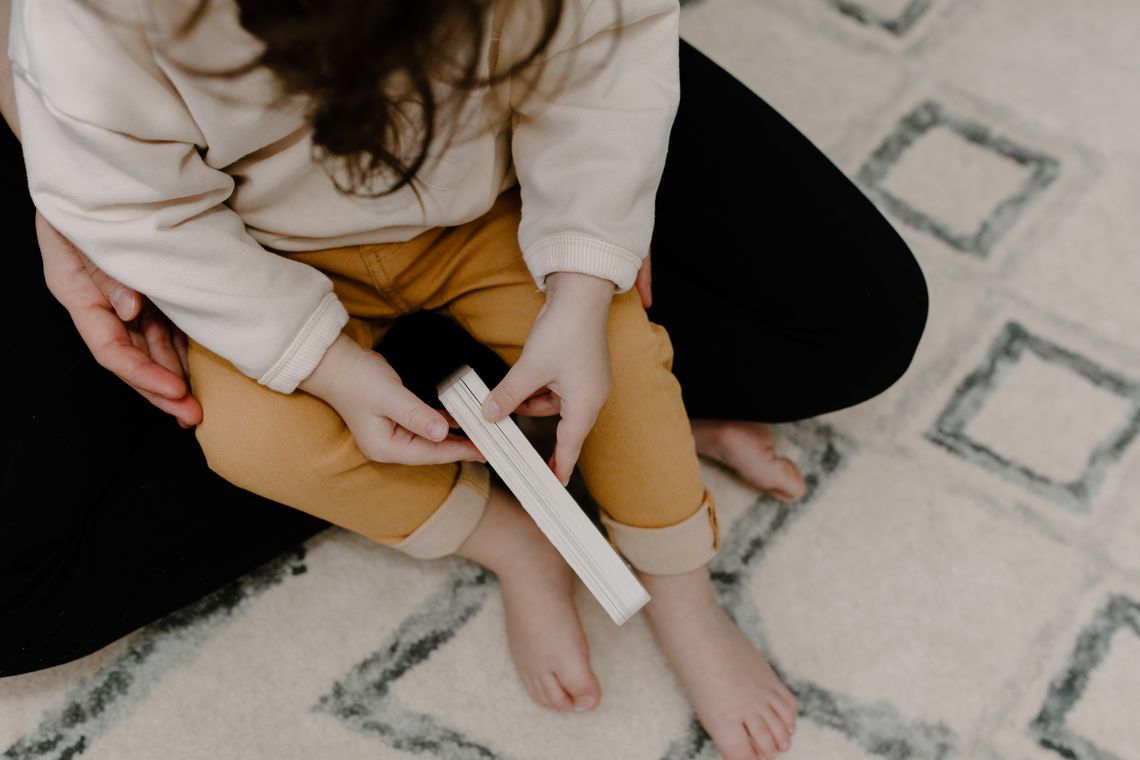
Ages 2–4
Early Explorers
At this stage, simple hands-on experiences can help children connect words, movement, shapes, sounds, colors, and everyday routines. Short activities with a clear physical action often make it easier for young learners to stay engaged.
- Build early language through picture-based conversation and simple sound play.
- Introduce counting through objects, sorting, matching, and repetition.
- Support fine motor control with stacking, placing, grasping, and simple creative tasks.
- Use sensory exploration to encourage observation and descriptive language.
Phonics & Early Reading
Numbers & Counting
Sensory Learning
Fine Motor Skills

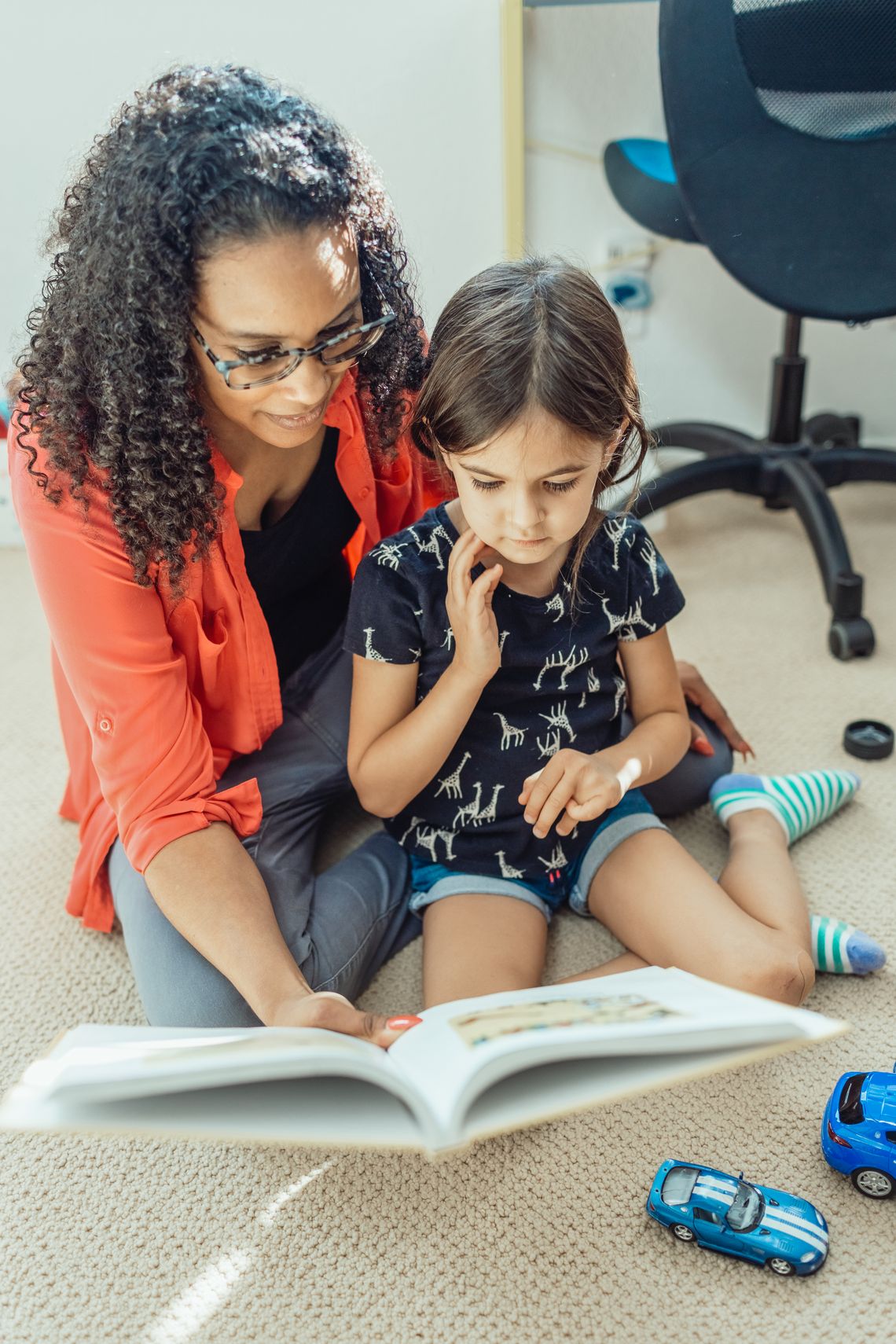
Ages 4–6
Ready Learners
Children in this range often enjoy activities that combine play with a more visible learning goal. Early literacy, number confidence, storytelling, drawing, pretend play, and first experiments can all become natural ways to practice new skills.
- Practice letter sounds, simple words, early writing, and growing vocabulary.
- Strengthen number recognition, counting, comparison, and basic reasoning.
- Encourage imagination through drawing, crafts, storytelling, and role play.
- Introduce simple science questions through observation and hands-on discovery.
Writing & Vocabulary
Arts & Crafts
Role Play
Science Kits
Ages 6–8
Growing Thinkers
As reading, writing, and number skills become more familiar, children can begin using those foundations to solve problems, follow multi-step activities, build more complex structures, and explain their thinking in greater detail.
- Expand reading confidence with vocabulary, comprehension, and structured language practice.
- Use logic games and construction challenges to develop flexible problem solving.
- Explore beginner engineering through building, testing, and redesigning ideas.
- Practice routines and responsibility with simple planning and everyday-life tools.
Logic & Problem Solving
Building Sets
Cooperative Games
Routine Tools
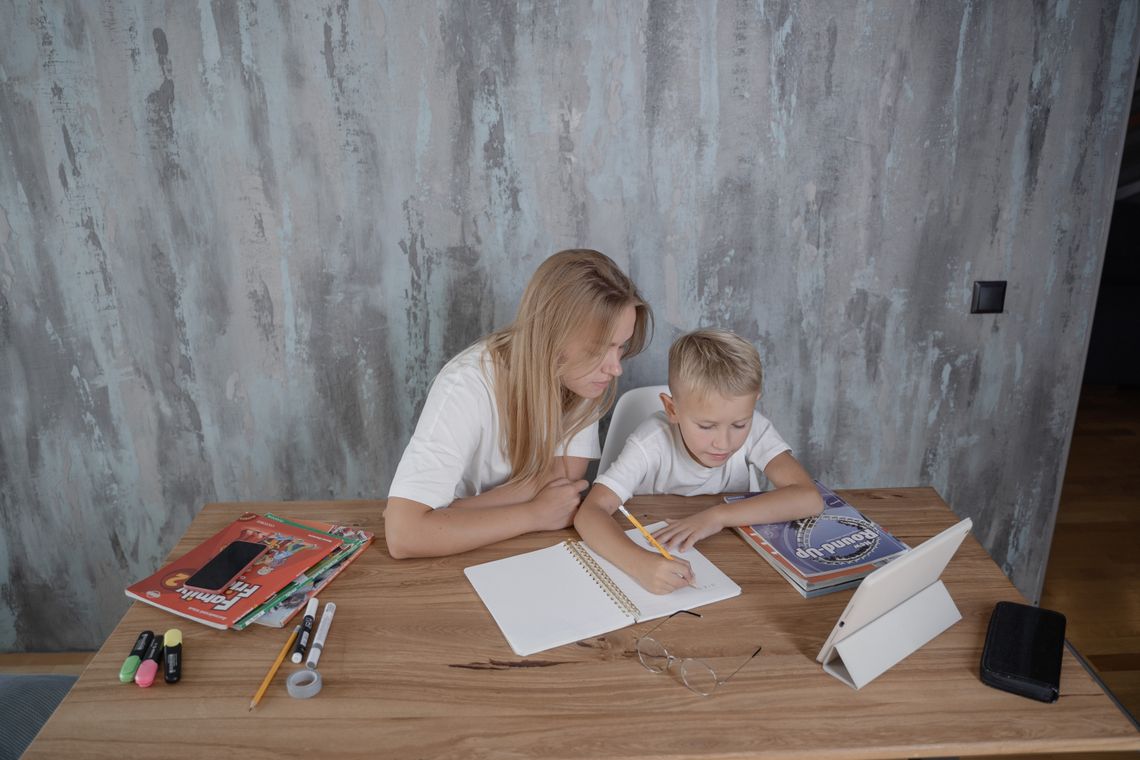

Ages 8–10
Curious Builders
Children at this stage may be ready for richer projects that ask them to plan, compare, investigate, cooperate, and revise their ideas. Activities can become longer and more detailed while still remaining playful and hands-on.
- Explore science through experiments that encourage observation and explanation.
- Use engineering challenges to practice planning, testing, and persistence.
- Build geography and nature knowledge through maps, environments, and real-world topics.
- Encourage teamwork through cooperative games and shared family projects.
Engineering Challenges
Nature & Geography
Family Learning
Creative Expression
Ages 10–12
Independent Learners
Older children can begin taking more ownership of projects, study routines, planning, and personal goals. Learning tools that offer challenge without removing choice can support both independence and deeper thinking.
- Strengthen study habits with homework tools, calendars, and planning resources.
- Practice time, money, sequencing, and decision-making through practical activities.
- Use STEM projects to encourage investigation, design thinking, and persistence.
- Support emotional awareness and self-regulation as responsibilities increase.
Homework & Study
Planning & Goals
Time & Money
Self-Regulation


Ages 12+
Confident Explorers
For older learners, the most useful resources may be those that respect growing independence and personal interests. Practical organization, advanced problem solving, creative work, family conversation, and interest-led projects can help learning stay relevant.
- Use planning and goal-setting tools to support greater ownership of time and responsibilities.
- Choose projects that invite deeper research, design, creativity, and problem solving.
- Explore life skills through money, organization, routines, and practical decision-making.
- Keep family conversation and shared activities available as independence grows.
Goal Setting
Life Skills
Advanced STEM
Family Conversation
Age is a starting point, not a limit
Interest, experience, confidence, attention, and individual development can matter just as much as age. A younger child may enjoy a more challenging activity with close adult support, while an older child may benefit from revisiting a simpler skill in a new way. Always use the specific product information and safety guidance as the final reference for suitability.
Learning Guidance
Need help choosing a learning stage?
LittleVela provides 24/7 customer support for product, learning-category, order, delivery, return, and exchange questions. Share the learning area you are considering and any relevant product details so your question can be reviewed clearly.
Business
LittleVela
Support Email
info@littlevela.lol
Support Phone
+1 (978) 277-8131
Business Address
1955 S Layton Blvd, Milwaukee, WI 53215, United States