


How LittleVela Thinks About Learning
Our Learning Philosophy
At LittleVela, we believe children learn best when curiosity, participation, confidence, and family connection work together. Our learning philosophy combines strong academic foundations with creativity, emotional growth, practical life skills, movement, and discovery so learning can feel useful, balanced, and naturally connected to everyday life.
Curiosity
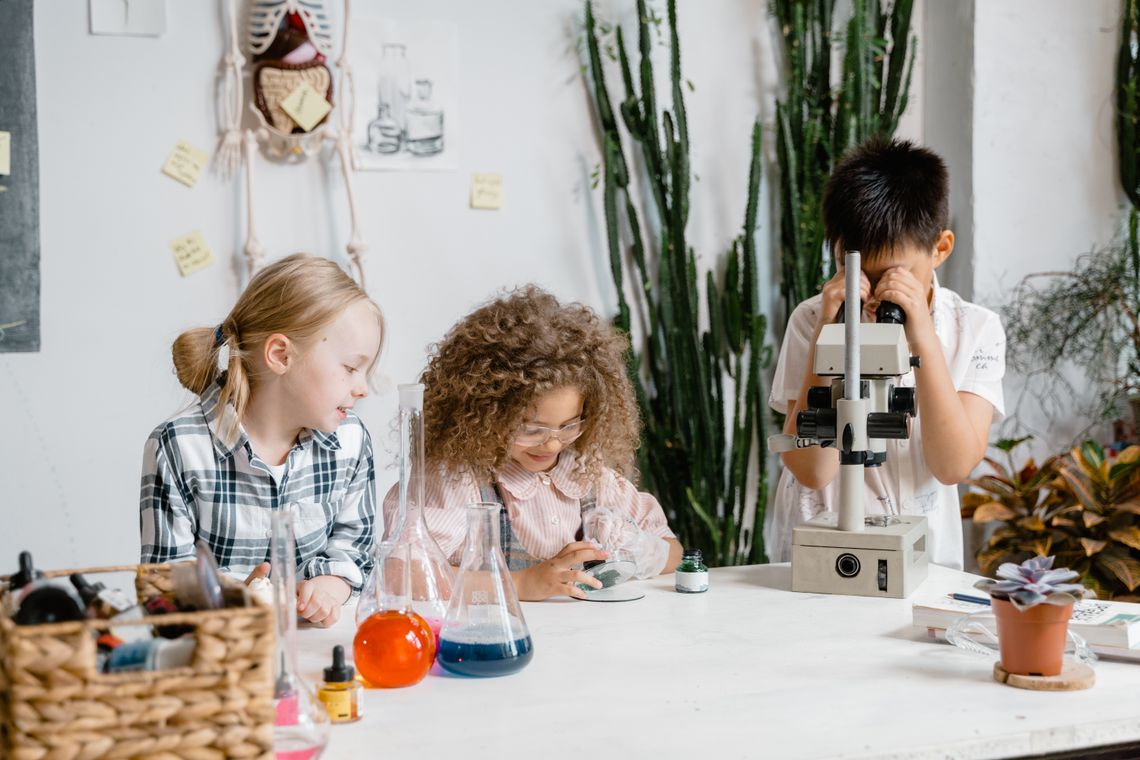
Hands-on learning
Whole-child growth
Family connection
Curiosity
Curiosity is where learning begins
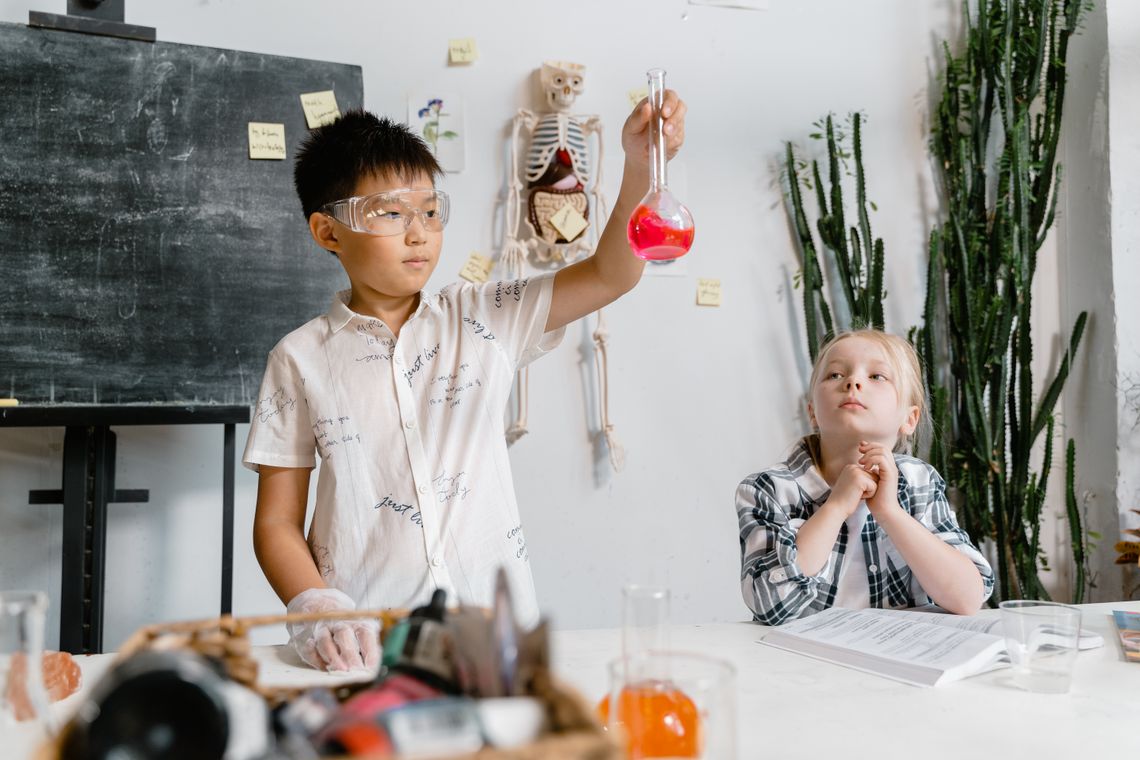
Children naturally ask questions, test ideas, notice patterns, repeat actions, and explore what happens next. We see curiosity as an important starting point because it gives learning personal meaning. When a child is interested in an idea, there is more reason to investigate it, talk about it, and remember it.
LittleVela supports this through resources for phonics, numbers, logic, science experiments, nature, geography, building, engineering, sensory exploration, creative expression, and outdoor learning.
- Questions are treated as opportunities for discovery rather than interruptions.
- Open-ended activities allow more than one path toward an idea or solution.
- Experimentation helps children learn that mistakes can provide useful information.
- Observation and conversation help children connect new ideas with what they already know.
Hands-On Learning
Children understand more by doing
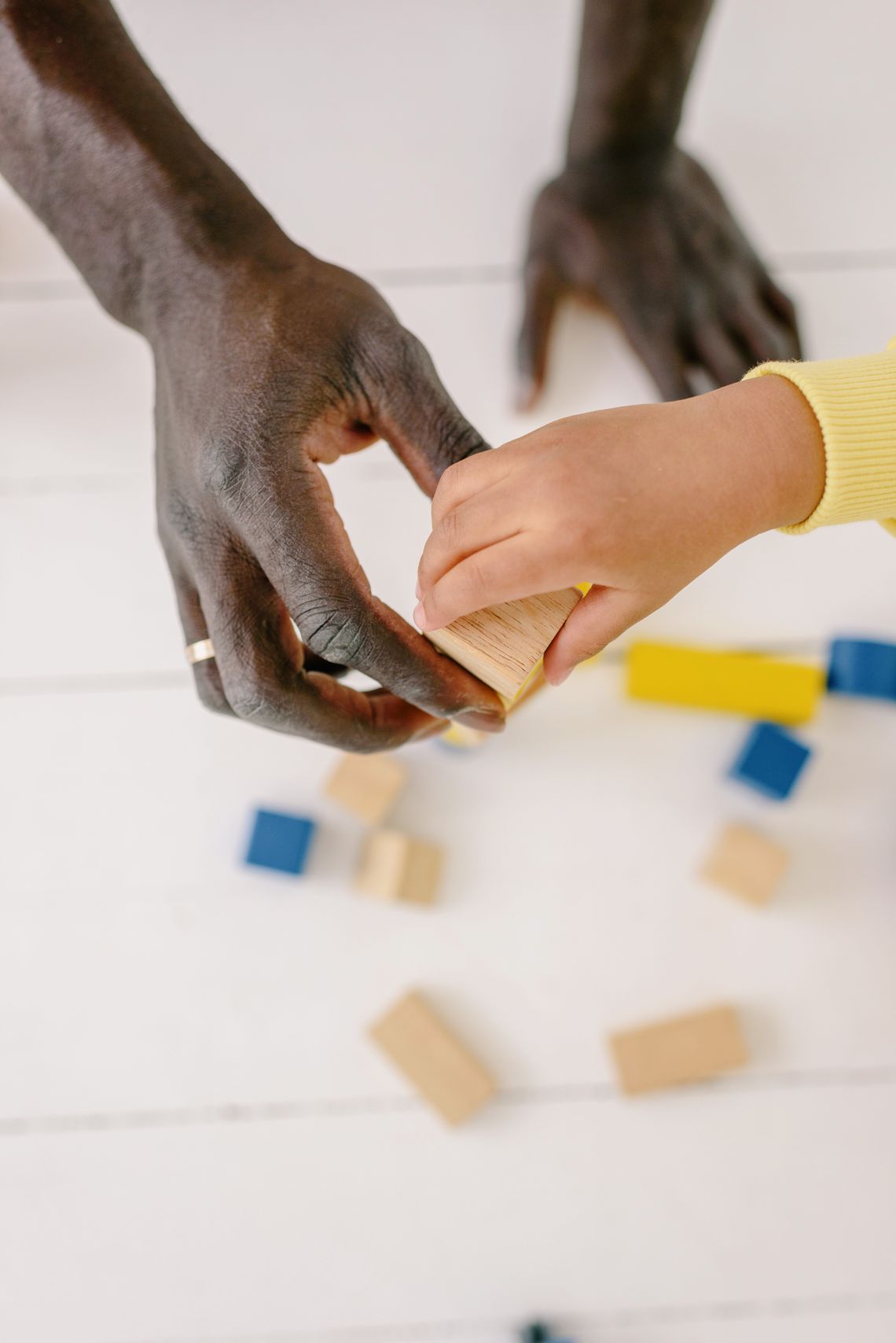
Some ideas become clearer when children can touch, move, build, sort, draw, test, compare, and try again. Hands-on learning turns abstract concepts into experiences children can see and feel, which can make learning more engaging and easier to discuss.
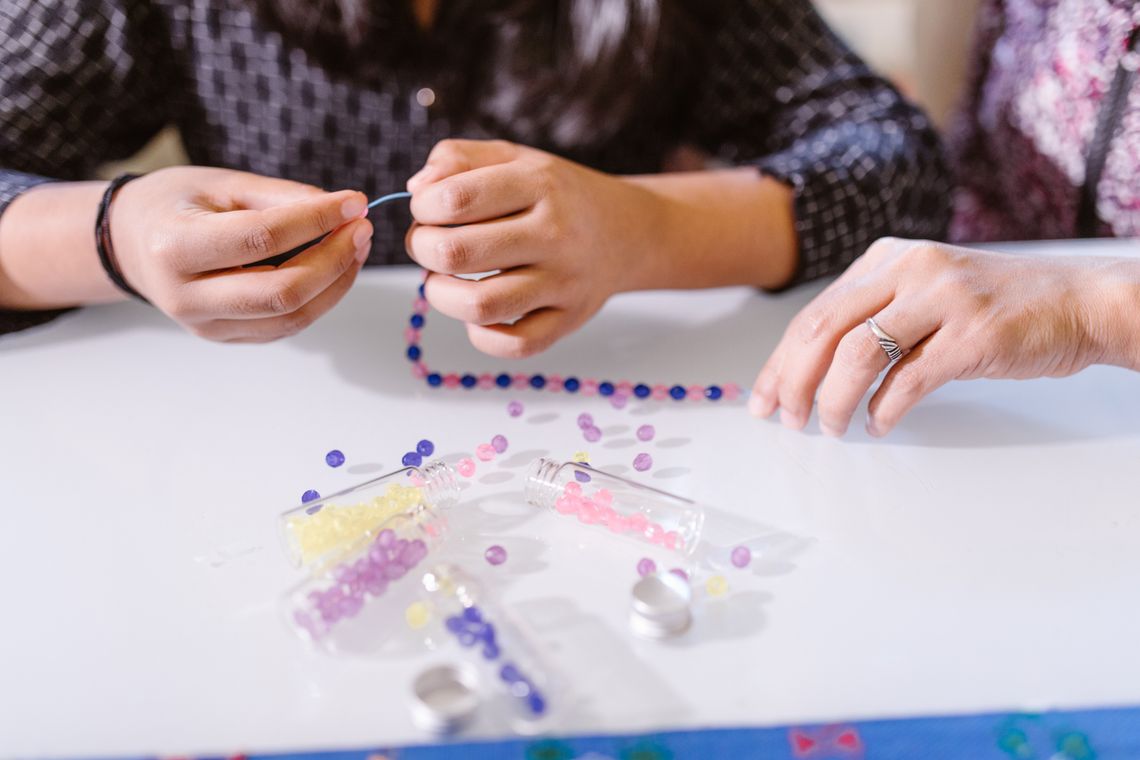
Building sets can make balance and structure visible. Crafts can strengthen coordination while encouraging expression. Science kits can turn questions into experiments. Role play can make social ideas easier to practice.
- Fine motor activities support control, coordination, and focused hand use.
- Building challenges encourage planning, spatial thinking, and persistence.
- Creative projects allow children to make decisions and express original ideas.
- Practical activities help connect learning with real-world situations.
Core Principles
Six principles guide our learning world
LittleVela is not built around one narrow definition of achievement. Our philosophy considers how children think, communicate, create, regulate emotions, participate with others, become more independent, and build confidence over time.
Learning Should Be Active
Children benefit from opportunities to participate, manipulate materials, make choices, test ideas, and respond to what happens.
Skills Work Together
A single activity can involve language, reasoning, coordination, creativity, patience, communication, and problem solving at the same time.
Confidence Matters
Children need room to practice, make mistakes, try again, and experience progress without every activity becoming a test.
Families Are Learning Partners
Shared activities give adults opportunities to ask questions, model thinking, encourage effort, and celebrate growth with children.
Everyday Skills Count
Routines, responsibility, planning, time, money, cooperation, and self-regulation are important parts of a child’s broader development.
Learning Can Feel Joyful
Playfulness, creativity, movement, discovery, and family connection can make meaningful learning feel inviting rather than forced.
Whole-Child Growth
Learning extends beyond academics
Reading, writing, mathematics, logic, and science create important foundations, but they are only part of a child’s development. Emotional awareness, self-regulation, creativity, social confidence, responsibility, movement, and independence also shape how children approach challenges and everyday life.
That is why LittleVela includes Feelings & Emotional Learning, Calm, Focus & Self-Regulation, Role Play & Career Learning, Cooperative & Social Games, Routine & Responsibility Tools, and active learning resources alongside traditional academic categories.
- Emotional vocabulary can help children describe and understand internal experiences.
- Cooperative activities create natural opportunities to practice patience and teamwork.
- Movement supports coordination, confidence, and active exploration.
- Planning and responsibility tools can make everyday independence easier to practice.
Family Connection
Learning can strengthen relationships
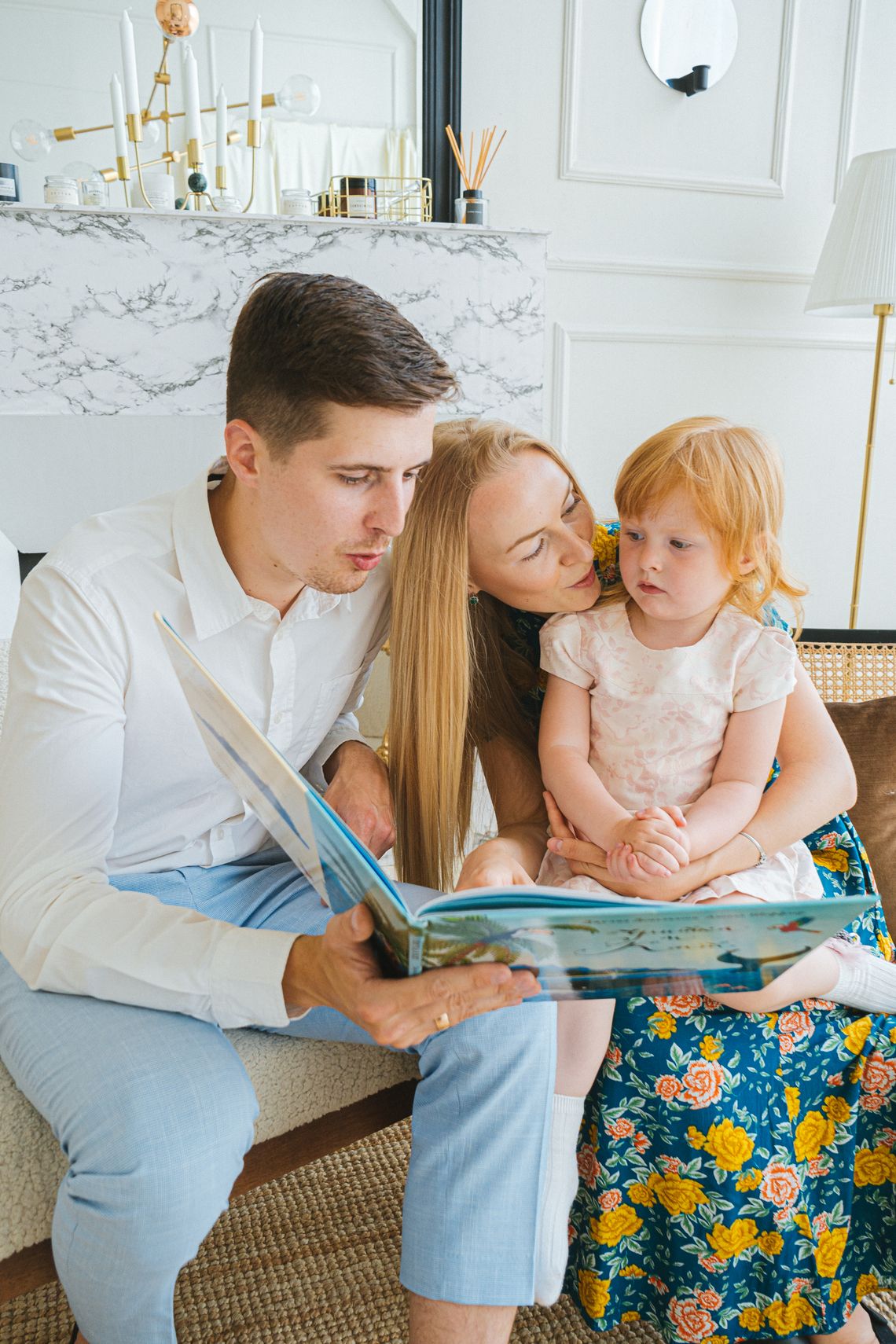
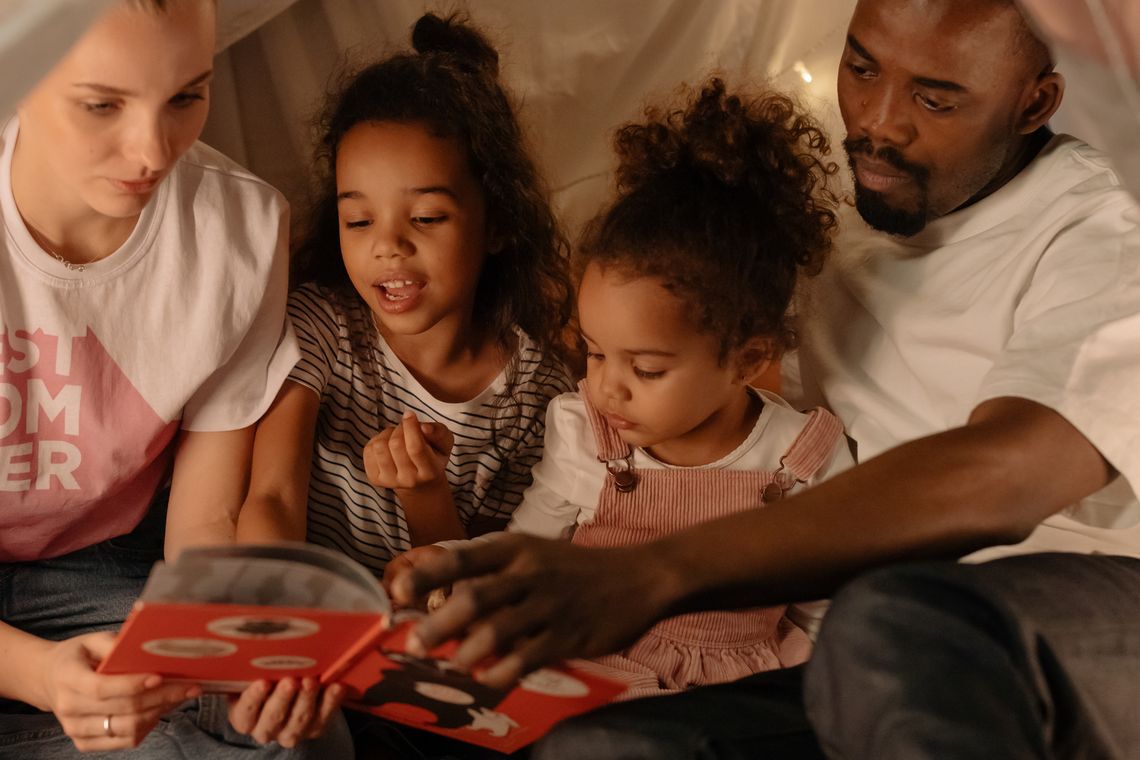
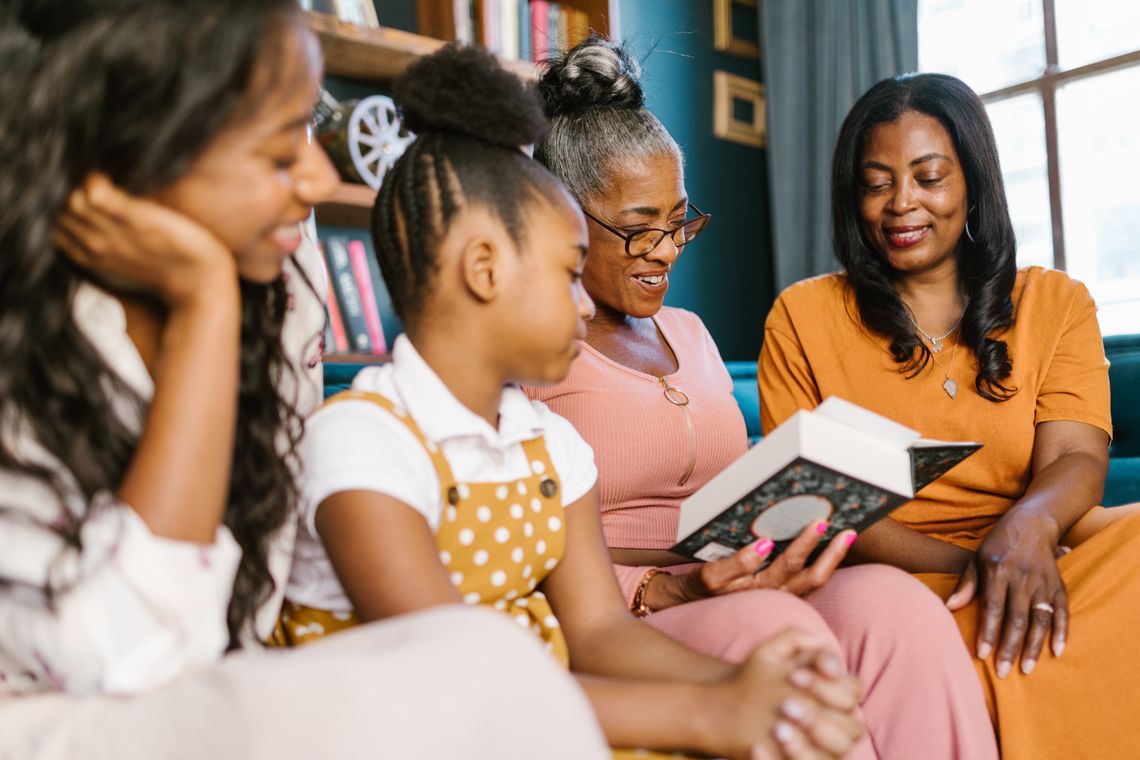
We believe families are more than observers of a child’s learning. Conversation, cooperative games, shared reading, parent-child projects, creative activities, and everyday problem solving give adults meaningful ways to participate without turning every moment into formal instruction.
A child who explains an idea is practicing communication. A parent who asks what happened next is encouraging reflection. A family that solves a challenge together is practicing cooperation and persistence at the same time.
- Shared reading supports literacy while creating time for conversation.
- Family games can encourage listening, turn-taking, and flexible thinking.
- Parent-child activity kits create focused opportunities for shared discovery.
- Conversation can help children connect learning with emotions and everyday experiences.
Progress matters more than perfection
Children learn at different speeds and often develop unevenly across skills. Our philosophy makes room for repetition, experimentation, confidence-building, and gradual progress. The goal is not to make every activity look perfect—it is to create meaningful opportunities for children to think, practice, participate, and keep growing.
Independence
Everyday independence is a learning skill
Children also learn by taking increasing responsibility for ordinary parts of life. Calendars, planning tools, goal setting, homework organization, time concepts, money skills, and routine resources can help children understand how choices, sequence, responsibility, and preparation work together.
These skills are practical, but they also support confidence. When children can see what needs to happen next and take part in managing a routine, everyday tasks can become opportunities to practice independence.
- Routine tools can make repeated responsibilities easier to understand.
- Calendars and planning resources help children visualize time and sequence.
- Money activities connect mathematical thinking with everyday decisions.
- Homework and study tools can support organization and growing self-management.
Play & Exploration
Play gives ideas room to grow
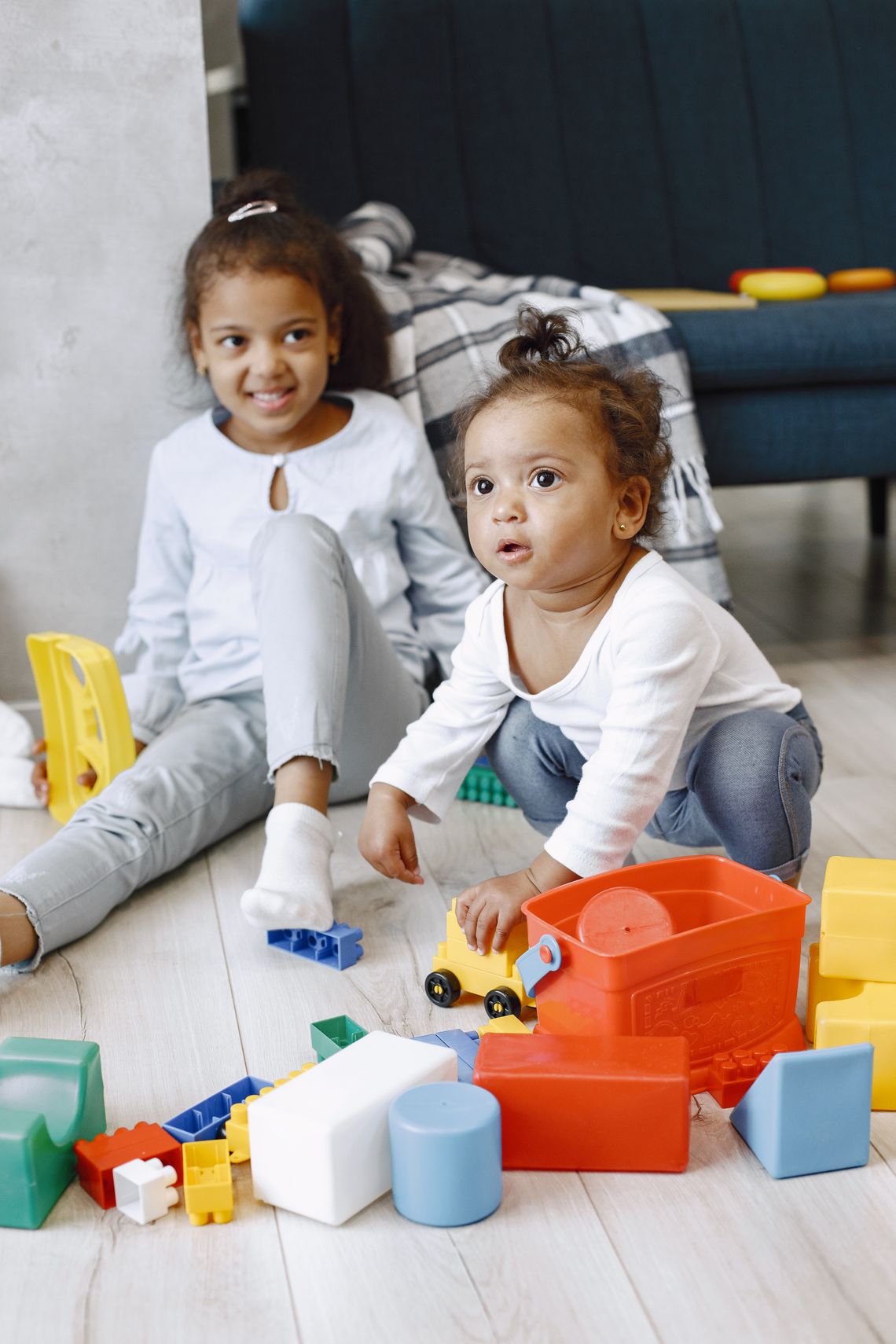
Play can bring together imagination, language, planning, movement, social interaction, and problem solving in ways that feel natural to children. A pretend shop can involve communication and money concepts. A building activity can involve engineering and cooperation. Outdoor exploration can combine movement, observation, and science.
For LittleVela, refined playful learning means giving children enough structure to support growth while leaving enough openness for discovery, personal ideas, and different ways of approaching an activity.
- Role play can help children explore social situations and everyday responsibilities.
- Open-ended building supports imagination alongside spatial and engineering thinking.
- Outdoor learning creates opportunities to observe, move, compare, and investigate.
- Creative expression gives children a way to communicate ideas without relying only on words.
LittleVela Support
Questions about our learning approach?
LittleVela provides 24/7 customer support for questions about products, learning categories, orders, delivery, returns, exchanges, and promotions. When your question relates to an order, keep the relevant order details ready so your request can be reviewed efficiently.
Business
LittleVela
Support Email
info@littlevela.lol
Support Phone
+1 (978) 277-8131
Business Address
1955 S Layton Blvd, Milwaukee, WI 53215, United States