


LittleVela Outdoor Learning
Outdoor Learning Ideas
Turn gardens, parks, walks, backyards, and everyday outdoor spaces into places for observation, movement, science, conversation, and discovery. These ideas connect LittleVela’s outdoor, nature, coordination, geography, STEM, and family-learning categories with simple activities families can explore together.
Observe
Move
Explore
Record
Discover

Start Outside
Use what is already around you
Outdoor learning does not require a complicated setup. A leaf, shadow, pathway, stone, plant, sound, slope, cloud, or garden bed can become the beginning of a useful question. Keep activities age-appropriate, supervise as needed, and let children spend time noticing before asking them to explain.
Look Closely
Choose one small area and ask children to identify colors, textures, shapes, sounds, movement, or changes they can observe.
Find What Changes
Compare two leaves, two surfaces, two paths, or two weather conditions and talk about what is similar and different.
Learn With the Body
Balance, walk, carry, reach, step, and navigate safe outdoor spaces to connect physical confidence with spatial awareness.
Capture the Discovery
Draw, count, write a short note, make a simple map, or collect observations without removing protected or living materials.
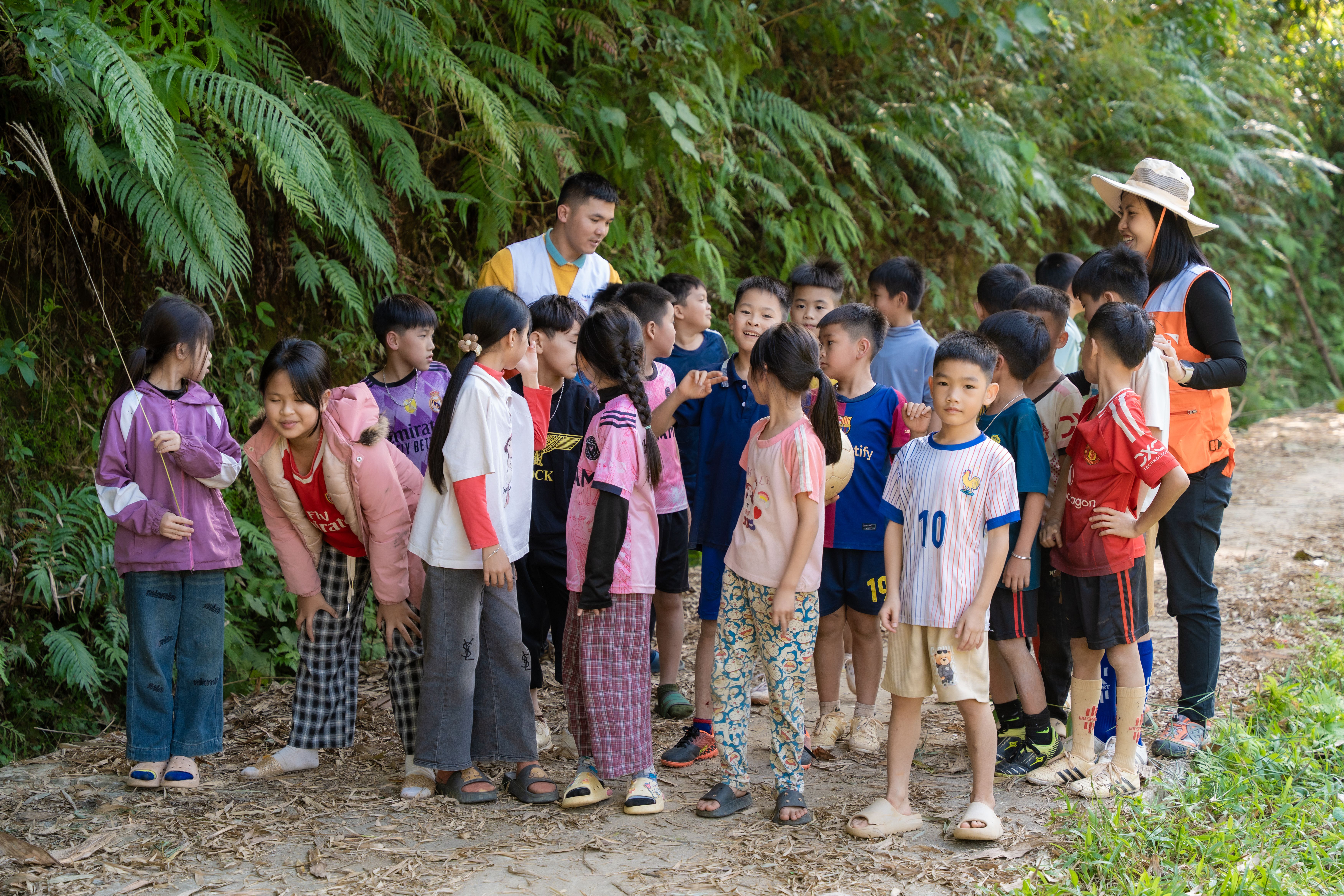
Nature Detective
Practice observation through nature
Nature exploration helps children slow down and notice details. Instead of trying to name everything immediately, begin with what can be seen, heard, touched safely, compared, counted, or described.
- Find three different leaf shapes and compare their edges, size, and color.
- Listen quietly for one minute and count how many different sounds you notice.
- Look for signs of weather such as wet ground, moving branches, shadows, or cloud cover.
- Use Nature & Geography activities afterward to connect observations with broader ideas.
Nature & Geography
Outdoor Learning & Exploration
Science & Experiment Kits
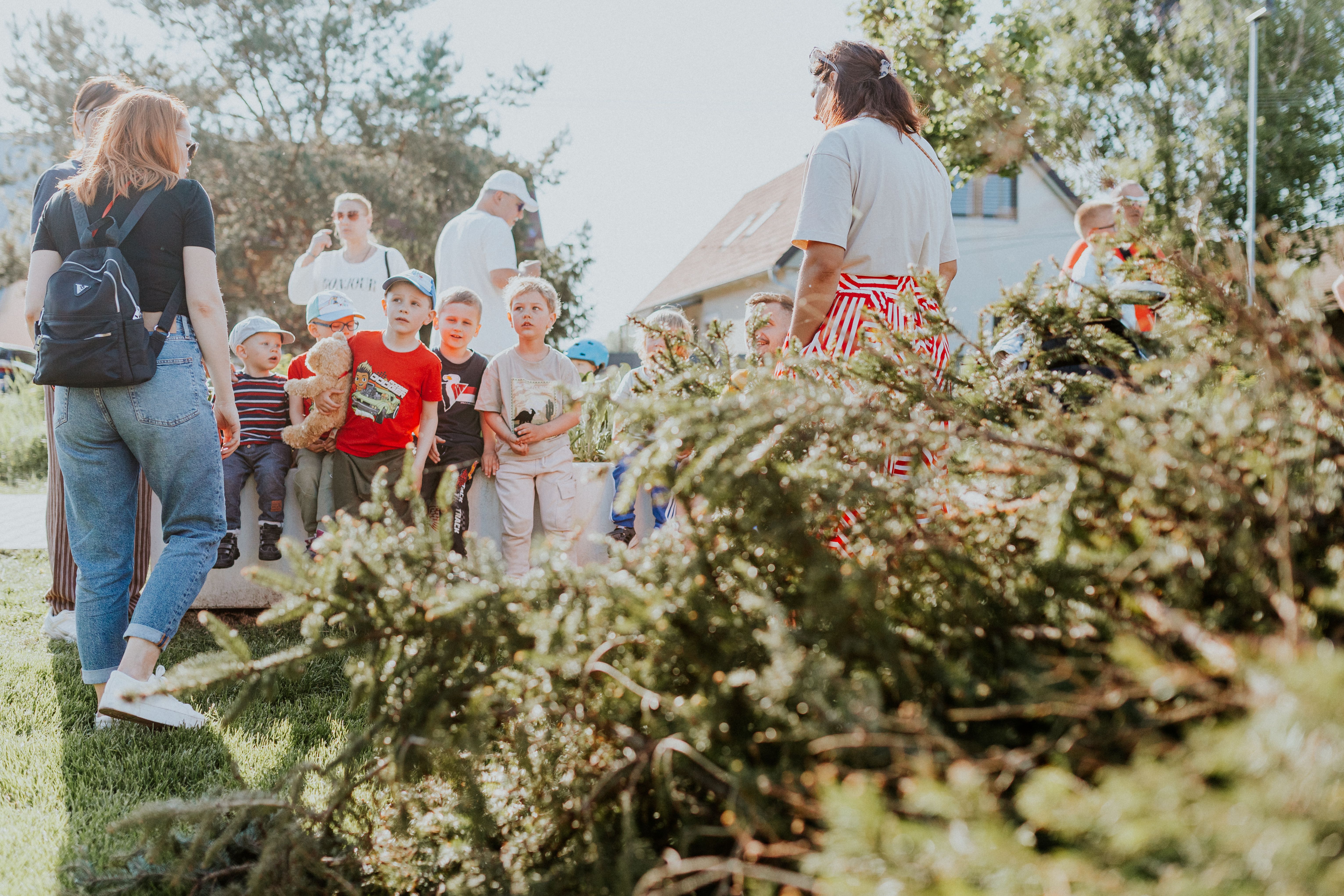

Garden Learning
Explore growth through simple gardening
Gardens offer visible examples of change over time. Children can observe soil, roots, leaves, moisture, insects, weather, and growth while practicing responsibility and patience.
- Choose one plant and observe it at the same time on several different days.
- Measure or estimate changes in height, leaf number, or visible growth.
- Compare dry and damp soil using safe, supervised observation.
- Give children a simple age-appropriate garden responsibility such as watering with guidance.
Routine & Responsibility Tools
Nature & Geography
Fine Motor Skill Activities
Movement & Balance
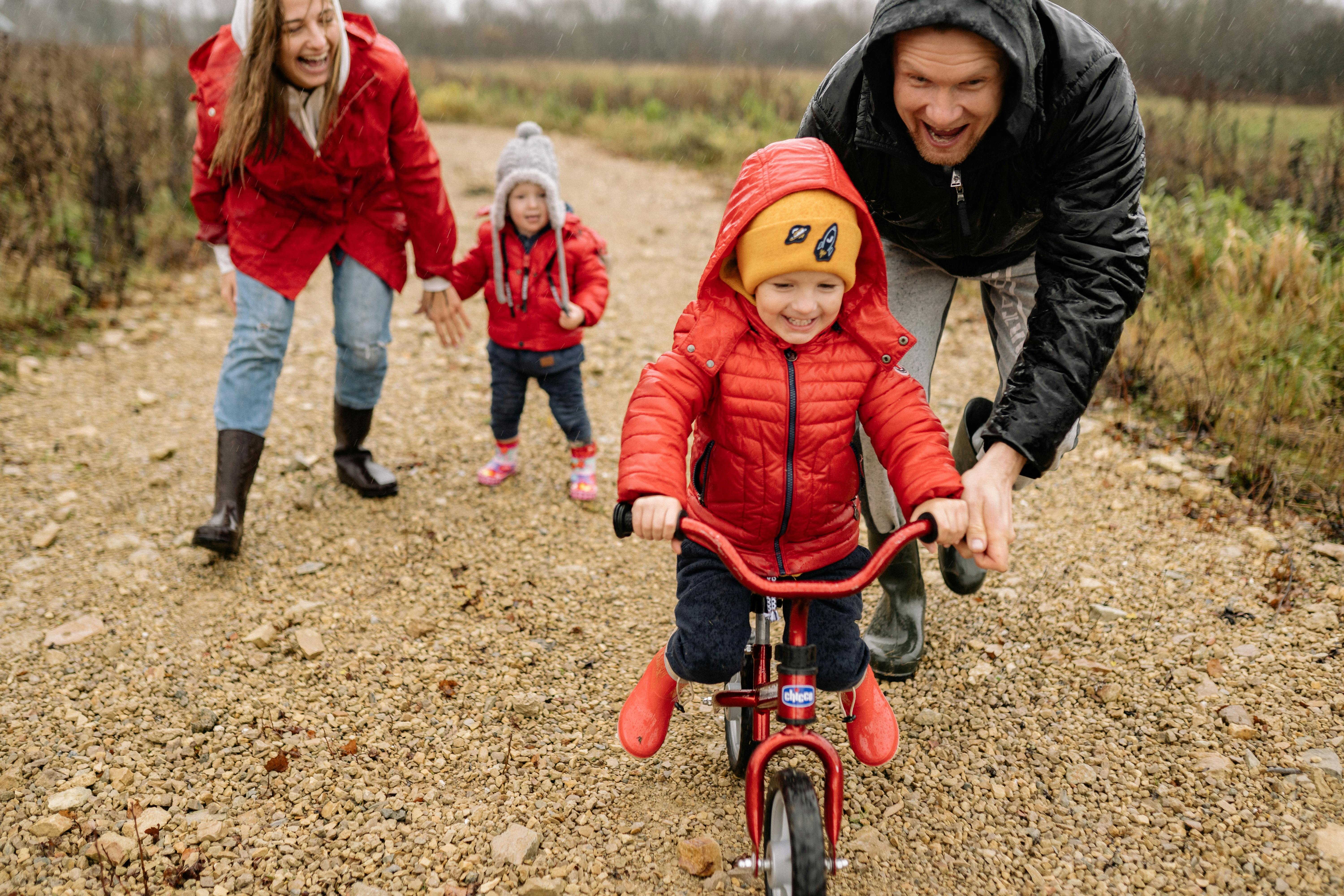
Build coordination through outdoor movement
Outdoor spaces can invite balance, direction, speed, body awareness, and confidence. Keep challenges appropriate for the child and choose safe surfaces and distances.
- Create a simple path using safe visual markers and ask children to follow different directions.
- Practice slow walking, side steps, stepping over low safe markers, and controlled turns.
- Compare how movement feels on grass, a flat path, or another safe surface.
- Use Balance & Coordination activities to extend movement skills in a structured way.
Balance & Coordination
Outdoor Learning & Exploration
Parent-Child Activity Kits
Outdoor STEM
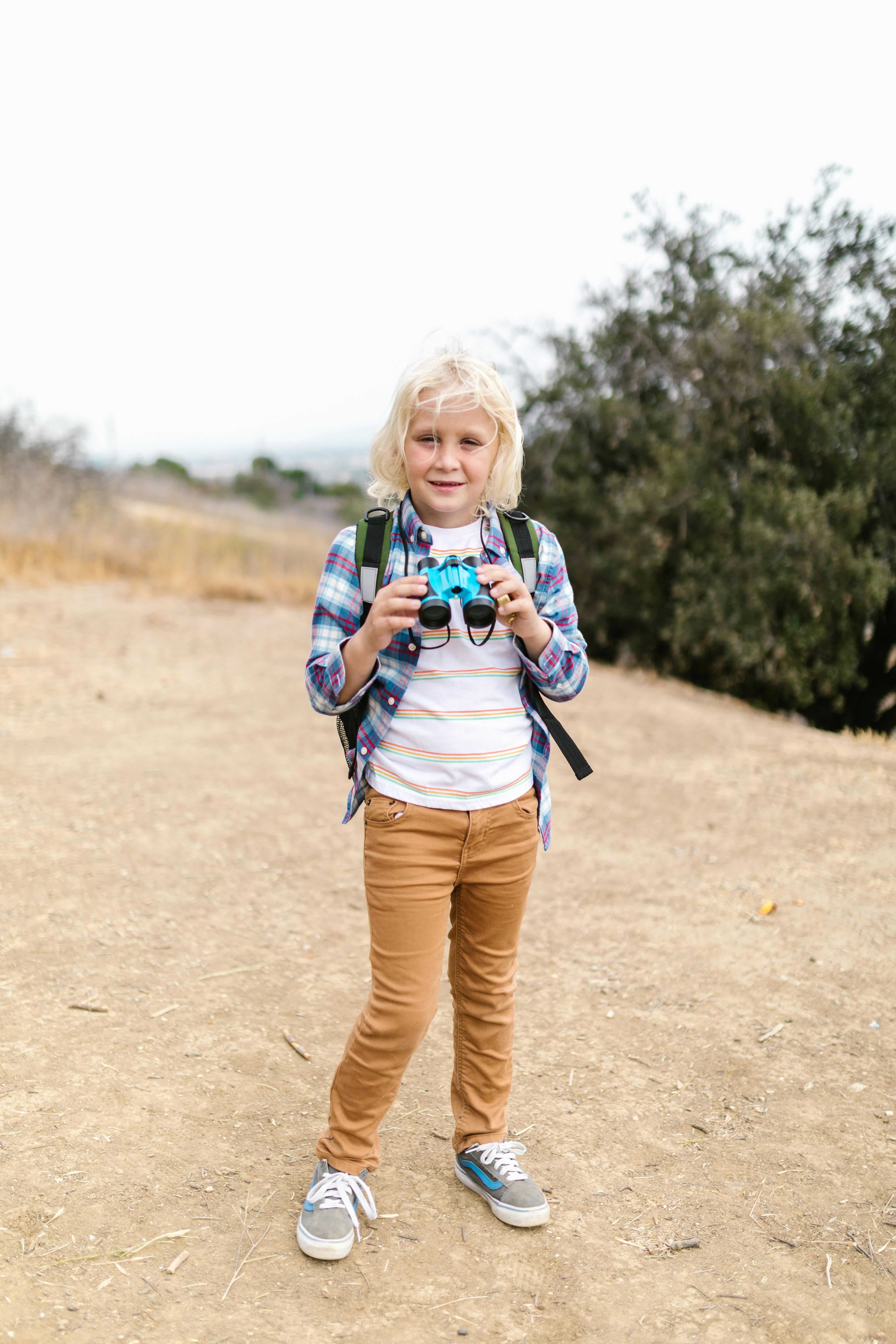
Turn outdoor questions into small investigations
STEM learning can begin with ordinary outdoor patterns. Children can compare slope, shade, moisture, wind, distance, weight, texture, temperature, or plant growth without needing a complex experiment.
- Predict which outdoor area will stay shaded longest, then check later.
- Compare how a small safe ball rolls on two different slopes or surfaces.
- Count and classify natural objects by visible features without disturbing living habitats.
- Sketch a simple outdoor structure and discuss what might make it stable.
Engineering & STEM Challenges
Logic & Problem Solving
Science & Experiment Kits
Family Exploration
Make outdoor discovery a shared family habit
A short family walk can become a learning routine without feeling like school. The adult’s role can be as simple as asking one good question, noticing something together, or inviting the child to choose what the family investigates next.
- Let the child choose one thing to look for during a walk.
- Take turns asking observation questions instead of having one person lead everything.
- Use Family Conversation & Bonding Games to continue the discussion after returning home.
- Connect a discovery with drawing, reading, geography, or a simple building activity later.
Family Conversation & Bonding Games
Parent-Child Activity Kits
Drawing & Creative Expression
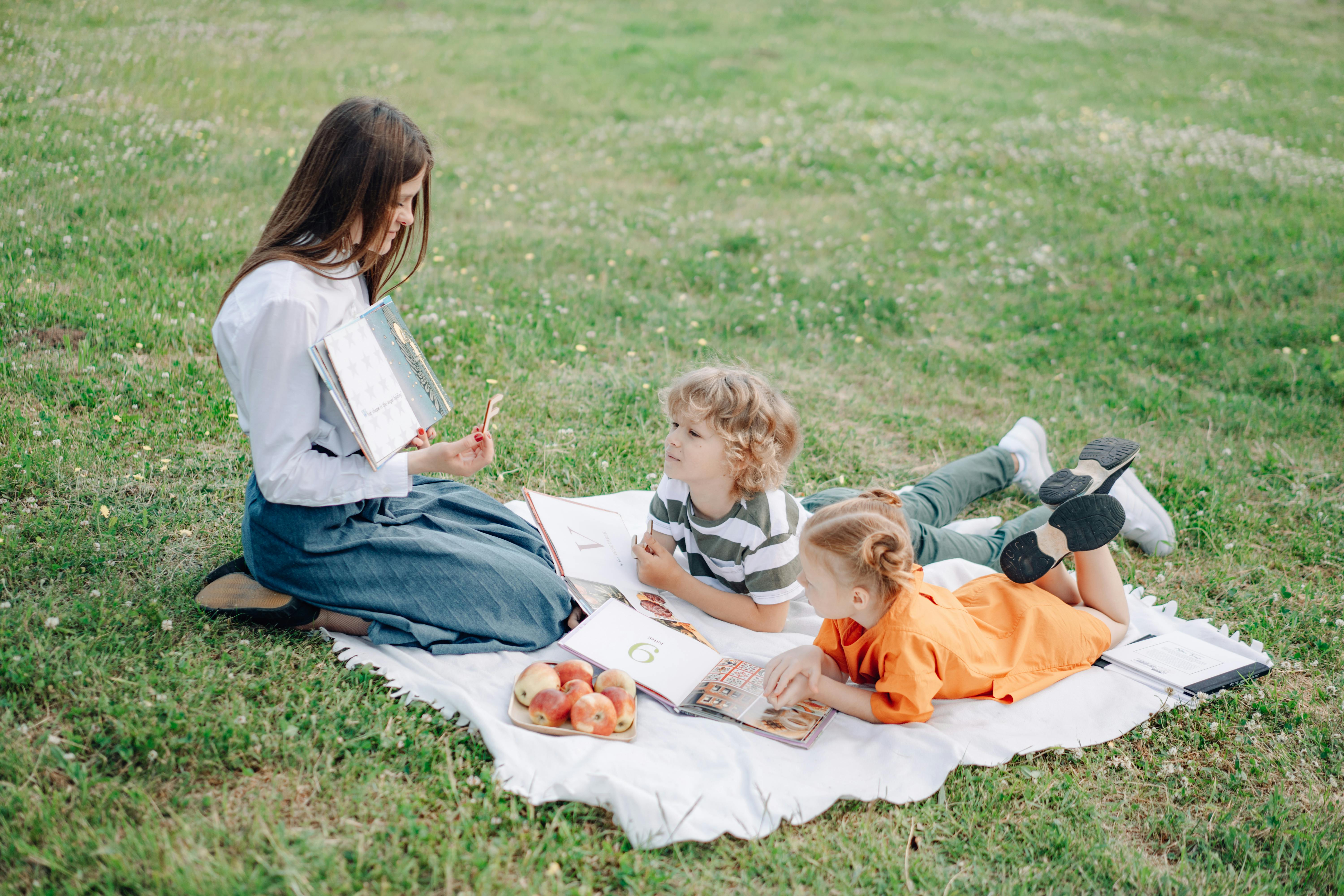
Field Notes
Simple outdoor ideas for different learning goals
Use these mini activities as starting points. Keep instructions short and let children decide how much detail they want to add.
Outdoor Word Hunt
Choose a letter or sound and identify safe visible things outdoors that begin with or contain that sound.
Count and Group
Count visible items such as steps, trees, benches, or flowers and group them by a clear shared feature.
Shadow Watch
Observe the shadow of the same stationary object at two different times and compare its direction and length.
Make a Tiny Map
Sketch a simple route from one safe outdoor point to another and add a few recognizable landmarks.
Nature-Inspired Drawing
Choose one outdoor shape, pattern, or texture and use it as inspiration for an original drawing at home.
Pack for the Activity
Ask children to help decide what safe, practical items are needed for a short walk or outdoor learning session.
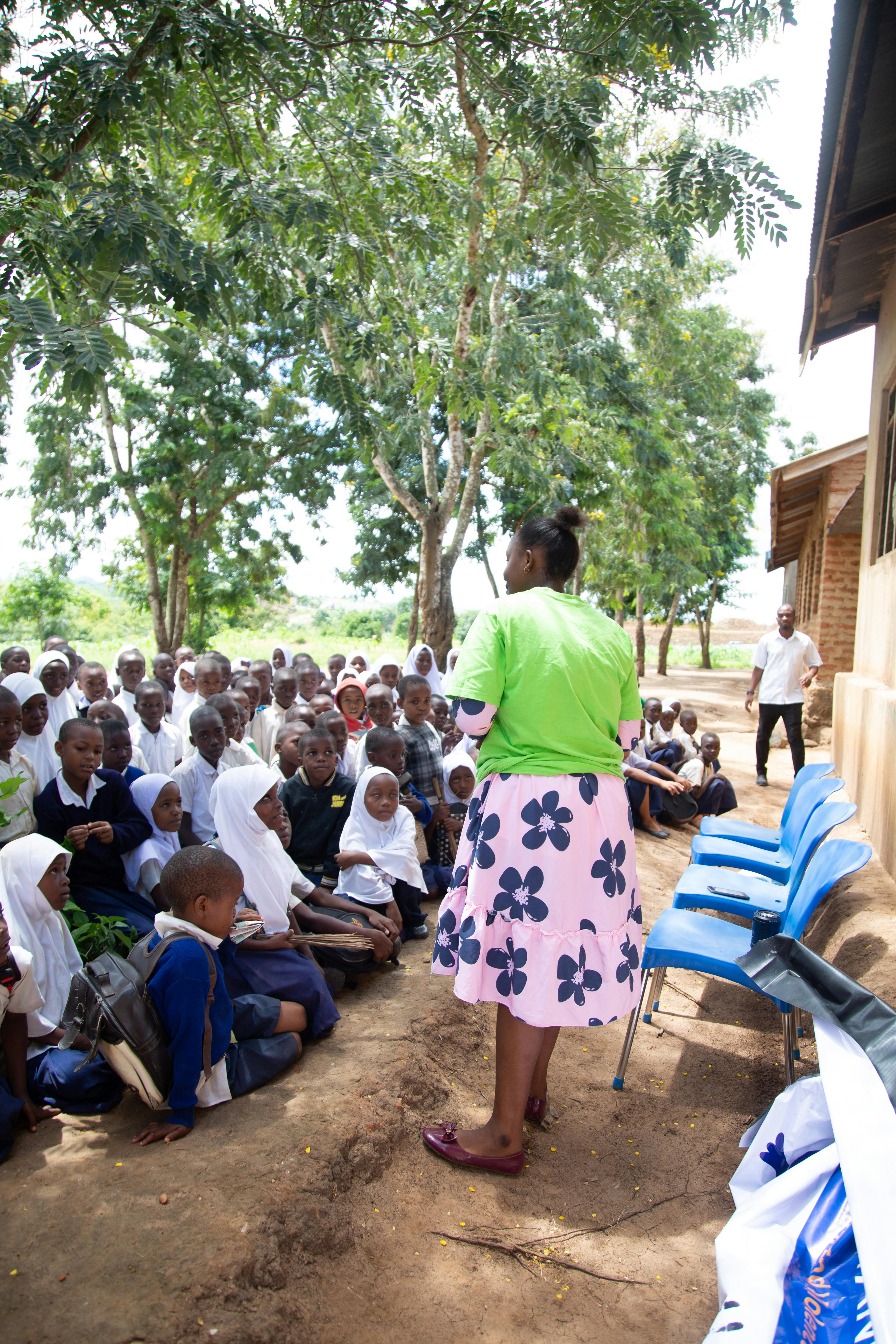
Outdoor learning begins with noticing, not rushing
Give children enough time to look, listen, move, and ask questions before turning the experience into an explanation. Curiosity often grows when children are allowed to notice something for themselves first.
LittleVela Learning Support
Need help choosing an outdoor learning activity?
LittleVela provides 24/7 customer support for questions about products, learning categories, orders, delivery, returns, and exchanges. Share the learning goal or activity you are considering and any relevant product details.
Business
LittleVela
Support Email
info@littlevela.lol
Support Phone
+1 (978) 277-8131
Business Address
1955 S Layton Blvd, Milwaukee, WI 53215, United States